
Growth Modification & Airway Focused Orthodontic Treatment in Bowral
Helping Children Breathe Better, Sleep Better, and Grow Healthier
What Is Growth Modification Orthodontic Treatment?
Growth modification treatment (also called interceptive orthodontics or orthopaedic treatment) helps guide the growth of the jaws and airway while your child is still developing.
Instead of waiting until all adult teeth arrive, we work during the important growing years — usually between ages 7 and 12 — when the bones of the face and jaws are still soft and adaptable.

This treatment may help:
- Create space for crowded teeth
- Improve jaw growth and facial balance
- Encourage healthy nasal breathing
- Support airway development
- Improve tongue posture and swallowing
- Reduce mouth breathing habits
- Help children sleep better
- Lower the risk of severe crowding or extractions later
Why Airway Health Matters in Children
Many parents are surprised to learn that airway and breathing problems can affect far more than just the teeth.
Children who struggle to breathe well through the nose often compensate by breathing through the mouth. Over time, this may affect how the face, jaws, teeth, and airway develop.

- Mouth breathing
- Snoring
- Poor sleep quality
- Bed wetting
- Teeth grinding
- Frequent ear infections
- Hyperactivity and poor concentration
- Behavioural challenges
- Fatigue and low energy
- Poor facial growth
- Crowded teeth
- Increased risk of sleep apnoea later in life
Some research has also explored possible links between sleep-disordered breathing and challenges seen in children with ADHD-like symptoms, behavioural dysregulation, learning orthodontic treatment does not “cure” ADHD or autism, improving airway health and sleep quality may positively support overall wellbeing, sleep, focus, behaviour, and development in some children.
When children breathe properly through the nose, sleep deeply, and develop healthy jaw growth, the entire body benefits.
Signs Your Child May Need an Airway & Orthodontic Assessment
You do not need to wait until teeth become very crooked.
It is worth booking an assessment if your child has:
Snoring or noisy sleep
Restless sleep
Grinding teeth at night
Bed wetting
Dark circles under the eyes
Crowded teeth
Thumb sucking habits
Difficulty chewing food
Speech concerns
Frequent ear infections
ADHD-like symptoms or poor concentration
Tongue tie or lip tie concerns
Narrow jaws or crossbites
Forward head posture
Constant tiredness
Many of these signs are easy to miss because parents often assume children will “grow out of it.”
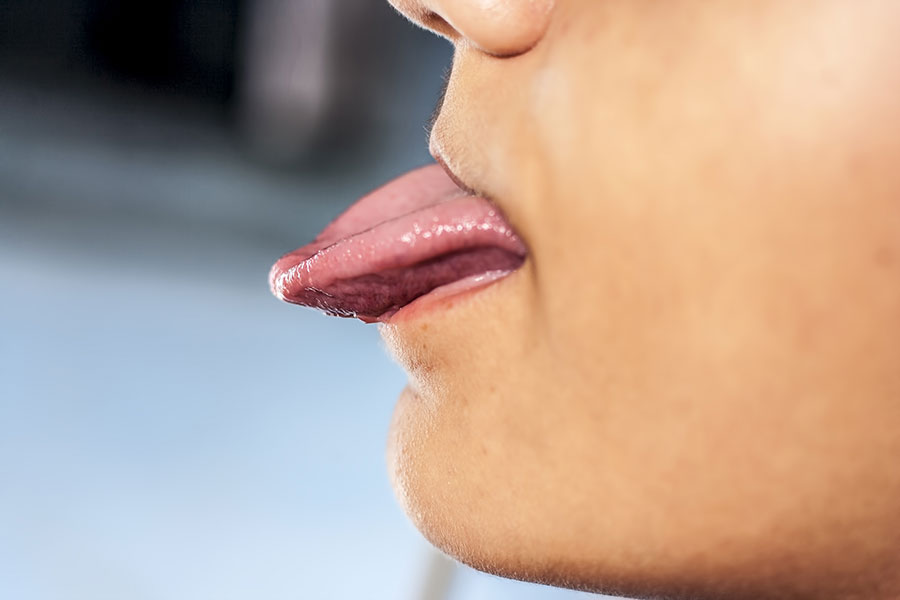
Tongue Tie, Lip Tie & Jaw Development
- Breastfeeding
- Swallowing
- Speech
- Tongue posture
- Nasal breathing
- Jaw development
- Airway growth

- Myofunctional therapy
- Habit correction
- Growth guidance appliances
- Referral for tongue tie release
- Collaboration with allied health practitioners

What Is Myofunctional Therapy?
- Breathe through the nose
- Improve tongue posture
- Strengthen facial muscles
- Develop healthy swallowing patterns
- Improve lip seal
- Support healthy jaw growth
Our Airway-Focused Orthodontic Process
Step-by-Step
Step 1
Initial Consultation & Airway Assessment
- Jaw growth
- Bite development
- Facial growth
- Breathing patterns
- Sleep concerns
- Tongue posture
- Oral habits
- Airway health
- Digital photos
- Low-radiation 3D scans
- Digital X-rays
- Intraoral scans
Step 2
Detailed Treatment Planning Appointment
- What we found
- How growth and airway development are affecting the smile
- Which problems are urgent
- What can improve naturally
- Treatment options available
- Expected timelines
- Costs and payment options
Step 3
Active Growth Modification Treatment
Treatment depends on your child’s individual needs.
- Palatal expanders
- Functional appliances
- Myofunctional therapy
- Habit appliances
- Space maintainers
- Partial braces
- Airway-focused orthopaedic appliances
- Better jaw growth
- Better breathing
- Better sleep
- Better facial development
- Better long-term health
Common Appliances Used in Growth Modification
Palatal Expanders
- Create more space for teeth
- Improve nasal airflow
- Support airway development
Functional Appliances
Habit Appliances
Partial Braces
Myofunctional Appliances
Interceptive Orthodontics vs Traditional Braces
| Feature | Growth Modification (Phase 1) | Traditional Braces |
|---|---|---|
|
Best Age |
7–12 years |
Teenagers & adults |
|
Main Goal |
Guide growth & airway |
Straighten teeth |
|
Focus |
Jaw growth & breathing |
Tooth alignment |
|
Common Appliances |
Expanders, plates, myo therapy |
Braces & aligners |
|
Helps Airway?
|
Yes |
Limited |
|
May Reduce Need for Extractions?
|
Often |
Sometimes |
|
Treatment Time |
Usually shorter early phase |
Often longer |
Why Families Choose
Bowral Street Dental Practice
At Bowral Street Dental Practice, we focus on the whole child — not just crooked teeth.

- Holistic and comprehensive care
- Airway-focused orthodontic assessments
- Child-friendly, anxiety-free dentistry
- Digital scanning and modern technology
- Gentle growth-guidance philosophy
- Comprehensive treatment planning
- Easy-to-understand explanations
- Payment plan options
- Local care in the Southern Highlands